
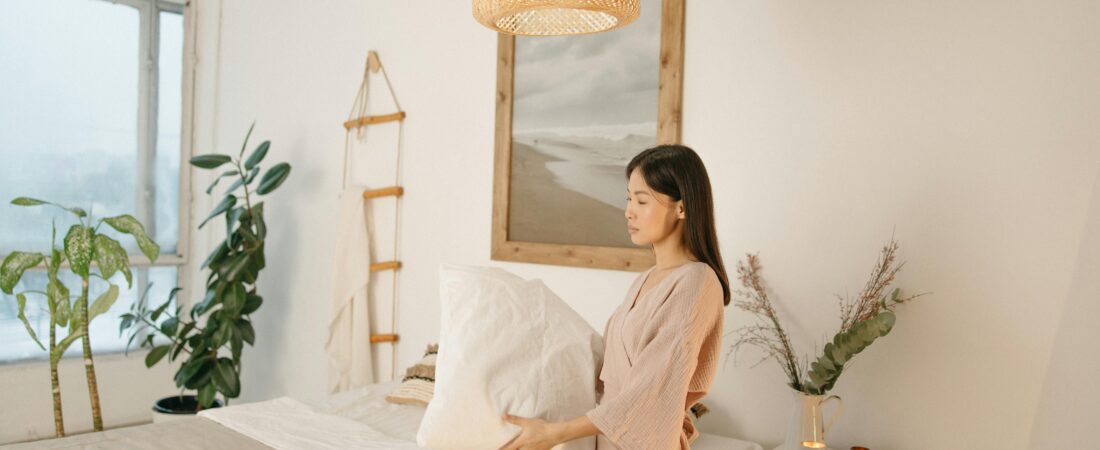
Creating a relaxing bedroom is about more than just choosing beautiful furniture or cozy bedding. One of the biggest factors that affects how a bedroom feels is color. The colors used throughout a space can completely change the atmosphere, influencing mood, comfort, stress levels, and even sleep quality. A calming color palette can help transform a bedroom into a peaceful retreat that feels cozy, inviting, and restorative at the end of a long day.
In recent years, relaxing bedroom design has become increasingly popular as more people focus on creating homes that support wellness, comfort, and slower living. Soft and calming interiors have become a major trend across home decor and lifestyle spaces because people want their bedrooms to feel peaceful instead of overstimulating.
The right bedroom colors can make a room feel larger, softer, brighter, and more luxurious while also creating a calming environment that encourages relaxation and better sleep. Whether your style is coastal, minimalist, modern, classic, or cozy cottage-inspired, choosing calming bedroom colors is one of the easiest ways to elevate your space.
Here are some of the best colors for creating a relaxing bedroom and why they work so well.
*As an Amazon Associate I earn from qualifying purchases.
Soft White Creates a Calm and Airy Feeling
Soft white is one of the most timeless and relaxing bedroom colors because it instantly makes a room feel clean, open, and peaceful. Unlike harsh bright white shades, softer whites with warm undertones create a cozy and welcoming atmosphere while still keeping the space light and airy.
White bedrooms are especially popular because they reflect natural light beautifully and make smaller rooms feel larger. This color also creates a blank canvas that allows textures and decor to stand out naturally. Layering soft white bedding, cream throws, linen curtains, and warm lighting can make a bedroom feel luxurious without needing bold colors or excessive decor.
Soft white works beautifully with:
- Natural wood furniture
- Linen fabrics
- Gold accents
- Coastal decor
- Neutral bedding
- Woven textures
One reason white bedrooms feel so calming is because they reduce visual clutter. A softer and simpler palette helps create a more peaceful environment that feels easier to relax in after a busy day.
Warm Beige Adds Comfort and Coziness
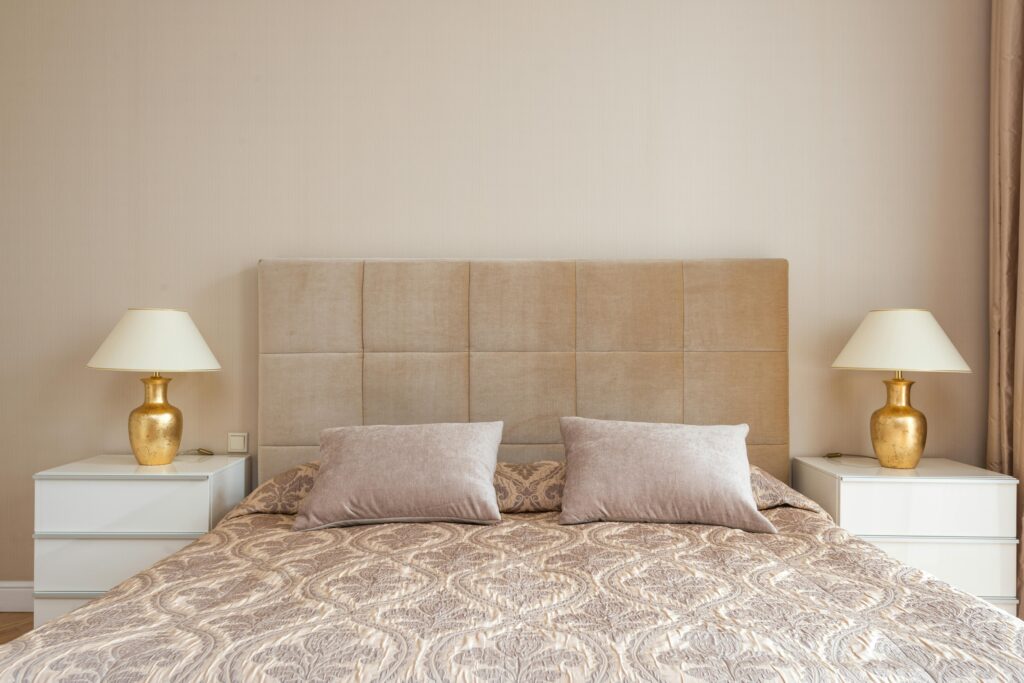
Warm beige has become one of the most popular bedroom colors in modern interior design because it creates warmth without feeling dark or heavy. Beige tones help bedrooms feel grounded, soft, and comforting while still maintaining an elevated and timeless appearance.
Unlike cooler gray tones that can sometimes feel cold, warm beige shades create a cozy atmosphere that works especially well in bedrooms. Beige also pairs beautifully with many decorating styles including:
- Coastal interiors
- Organic modern design
- Minimalist bedrooms
- Old money inspired spaces
- Cozy cottage aesthetics
This color works well because it adds depth while still remaining neutral. It creates a calming backdrop that allows furniture, artwork, and textiles to blend together naturally.
Layering different shades of beige, ivory, cream, and taupe can make a bedroom feel incredibly sophisticated and relaxing without overwhelming the space.
Soft Blue Brings a Peaceful Coastal Feeling
Soft blue is one of the most calming colors psychologically, which is why it is often recommended for bedrooms. Blue tones are associated with peace, calmness, and relaxation because they naturally remind people of the ocean and sky.
Lighter shades of blue work especially well in relaxing bedrooms because they create a fresh and airy feeling while still adding subtle color. Coastal-inspired bedrooms often use soft blues combined with white bedding, natural wood, and woven textures to create a peaceful retreat-like atmosphere.
Soft blue bedrooms feel:
- Airy
- Fresh
- Relaxing
- Light
- Comfortable
This color is particularly helpful for creating a serene environment that feels less visually stimulating. Bedrooms with soft blue accents often feel naturally cooler and calmer, making them ideal for winding down at night.
Blue also works beautifully in both modern and traditional bedroom styles, which makes it one of the most versatile calming colors.
Sage Green Feels Natural and Relaxing
Sage green has become one of the biggest interior design trends in recent years, especially in bedrooms. This muted green shade creates a calming and earthy atmosphere that instantly makes a room feel more connected to nature.
Green tones are often associated with balance, wellness, and relaxation, which is one reason why sage green works so well in sleep spaces. Unlike brighter greens that can feel overpowering, sage green feels soft, muted, and sophisticated.
This color pairs beautifully with:
- Cream bedding
- Light wood furniture
- Brass accents
- White curtains
- Linen textures
- Minimalist decor
Sage green also works across many aesthetics including farmhouse interiors, organic modern spaces, vintage-inspired homes, and cozy cottage bedrooms.
One reason people love sage green bedrooms is because they feel peaceful without looking overly plain. The subtle color adds interest while still maintaining a calming overall atmosphere.
Light Gray Creates a Soft and Sophisticated Space
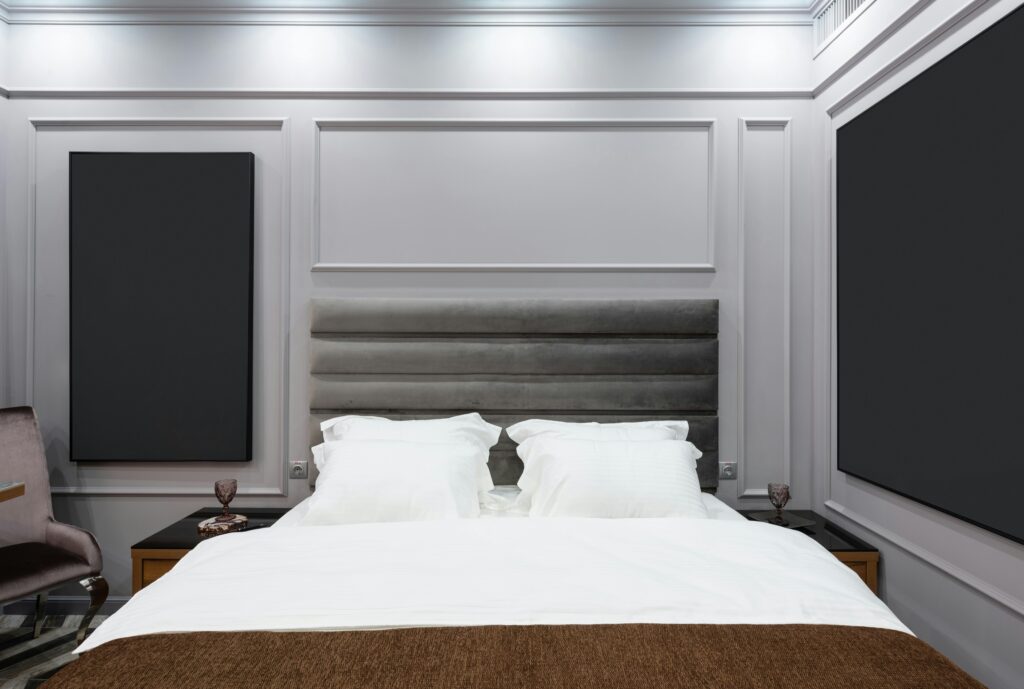
Light gray remains a popular bedroom color because it feels elegant, clean, and versatile. Softer gray shades can help create a relaxing atmosphere while still giving a bedroom a polished and modern appearance.
The key to using gray successfully in a relaxing bedroom is choosing warmer gray tones instead of cool industrial shades. Warm grays with soft undertones feel much cozier and pair beautifully with layered textures and warm lighting.
Gray works especially well with:
- White bedding
- Black accents
- Soft wood tones
- Minimalist decor
- Silver or gold finishes
- Plush fabrics
A light gray bedroom can feel very peaceful when balanced with warm textures such as knit blankets, linen curtains, upholstered headboards, and soft rugs.
This color is also extremely adaptable and can easily transition between seasons and decor styles without needing major changes.
Why Neutral Bedrooms Feel More Relaxing
One common theme among relaxing bedroom colors is that most are soft, muted, and neutral. Neutral bedrooms tend to feel calmer because they create less visual stimulation compared to bright or highly saturated colors.
Soft color palettes also allow natural textures, lighting, and fabrics to become the focus of the room. This creates depth and warmth without making the space feel overwhelming.
Neutral bedrooms are also easier to style because they pair well with almost any decor aesthetic. Whether you prefer coastal style, romantic interiors, minimalist spaces, or classic traditional bedrooms, calming neutral colors create a timeless foundation that always feels inviting.
Final Thoughts on Choosing Relaxing Bedroom Colors
The colors you choose for your bedroom can completely affect how the space feels emotionally and visually. Soft whites, warm beiges, calming blues, sage greens, and light grays all help create a bedroom that feels peaceful, cozy, and restorative.
A relaxing bedroom should feel like a retreat from the outside world. Choosing calming colors is one of the simplest and most effective ways to create a space that supports comfort, relaxation, and better sleep.
Whether you are completely redesigning your bedroom or simply refreshing the decor, focusing on soft and timeless colors can instantly transform the atmosphere of your space and help make your home feel more calming and intentional every day.
*As an Amazon Associate I earn from qualifying purchases.